Quiet
Kiln

Small-batch tableware, shaped by hand in a converted garage in Southeast Portland. Four pieces, made slowly, changed seasonally.

Est. 2018

Stoneware · Reduction-fired

Cone 10 · Wood Ash Glaze

Portland, Oregon

"We make things you eat from. Nothing more, nothing less."

Current Pieces

Winter 2024 collection · Edition of 40 each

01
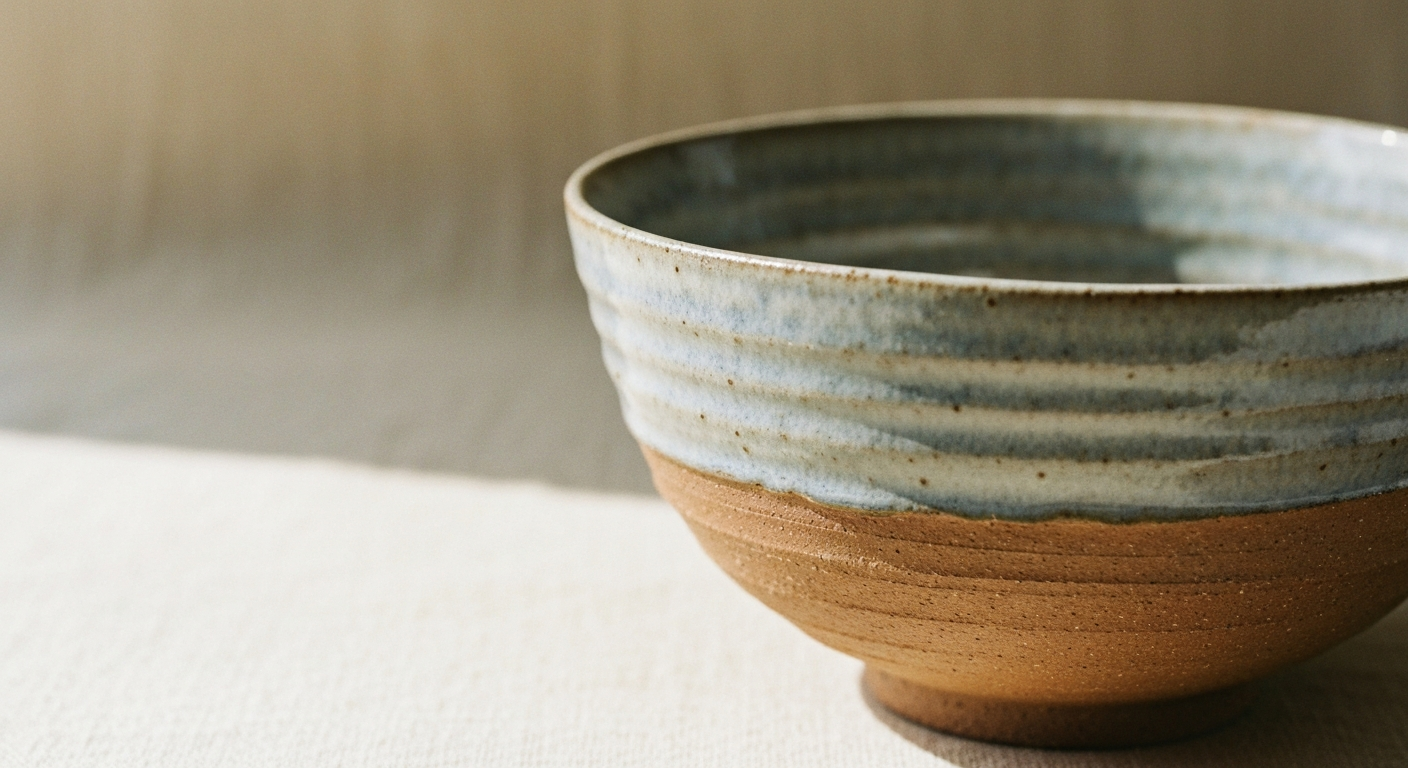
Yunomi rice bowl in ash glaze

Rice Bowl

chawan · 飯碗

Thrown from Hawthorn Bond stoneware, dipped once in our house ash glaze — wood ash collected from the kiln itself, mixed with feldspar from a quarry outside Bend. Each bowl holds roughly 340ml. The rim is left unglazed to show the iron-bearing clay beneath.

Diameter 12.5 cm
Height 7 cm
Price $58

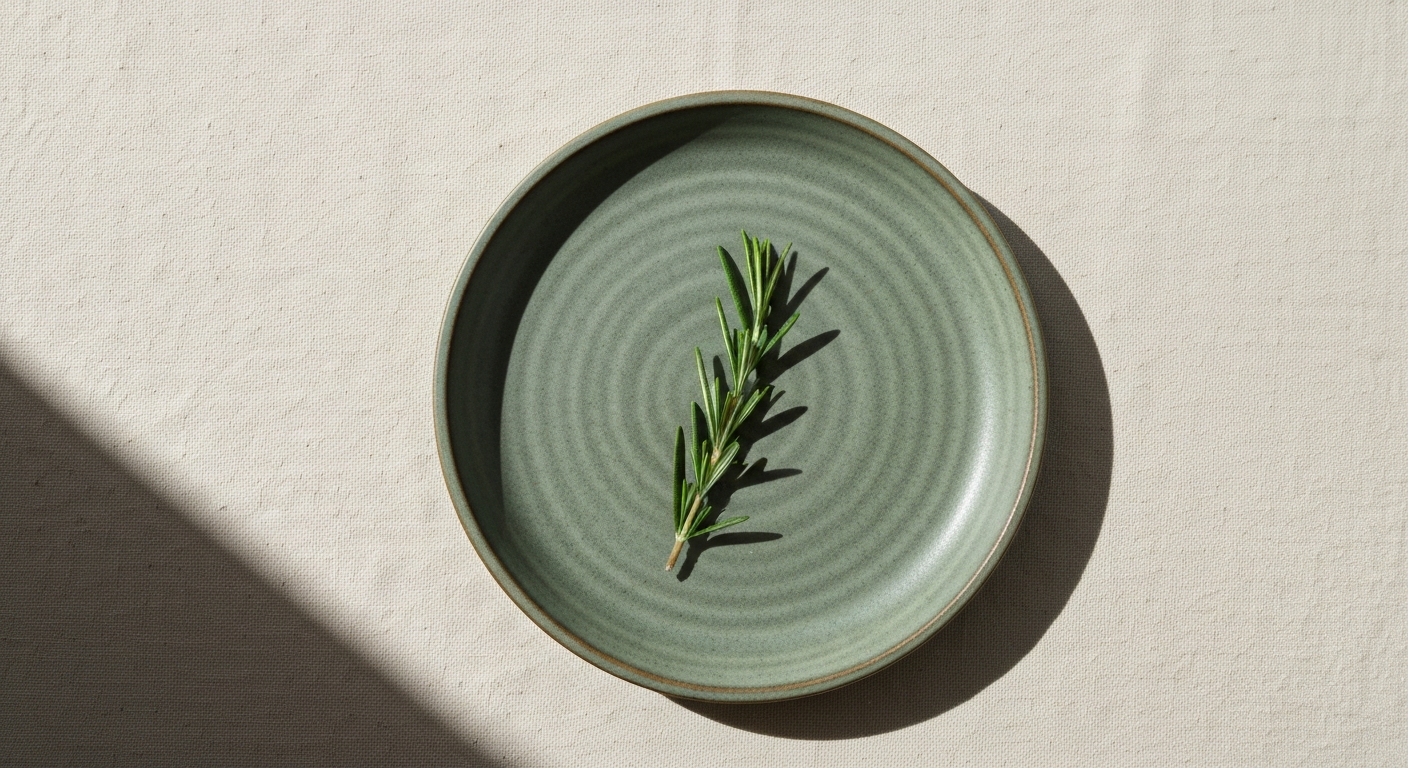
Dinner Plate

sara · 皿

A wide, slightly concave plate with a lip thin enough to disappear under a thumb. The glaze pools unevenly in the centre — a quality we encourage. Fired for 14 hours in our 60-cubic-foot downdraft kiln alongside the bowls and cups; the ash from the firing itself marks the surface.

Diameter 24 cm
Height 2.5 cm
Price $76
Dinner plate in ash glaze
02
03
Pour-over set in ash glaze

Pour-Over Set

dorippā · ドリッパー

A two-piece pour-over dripper and receiving cup, sold together. The dripper's interior ridges are carved by hand — sixteen of them, angled at roughly 60 degrees to slow the water. Designed for a single 250ml cup using Kalita-style flat-bottom filters. The cup holds 320ml, with room.

Dripper Ø 10 cm
Cup height 9 cm
Price $94 (set)

Sauce Dish

kozara · 小皿

The smallest piece we make and, honestly, the one we're proudest of. A shallow dish the width of a palm, pinched from a single ball — no wheel. Holds soy sauce, chilli oil, salt, a lime wedge, an earring at the end of the day. Sold in pairs.

Diameter 8 cm
Height 1.5 cm
Price $32 (pair)
Sauce dishes in ash glaze
04

The Maker

written by hand, updated rarely

Mae Ishida at the wheel

Mae Ishida, SE Portland, November 2023

Mae Ishida started Quiet Kiln in 2018, in a single-car garage off Division Street that still serves as the studio. Before clay, she spent eleven years as a structural engineer — bridges, mostly, in Osaka and later Sacramento. She will tell you the two disciplines are not as different as they seem: load, material, gravity, time.

The kiln is a 60-cubic-foot downdraft she built from salvaged firebrick over three weekends in August 2019 with help from her neighbour, Tom Worrell, who is a retired mason and who insists on being credited. It fires to Cone 10 — roughly 1,300°C — using propane for the first eight hours and then wood offcuts from a furniture maker on Foster Road for the final six. The ash from the wood settles on the pieces during firing. That is the glaze.

She makes four things. She has considered making more and has decided, each time, against it. "I would rather understand four forms completely than approximate twelve." Each piece is thrown or pinched from Hawthorn Bond, a brown stoneware body she orders from a supplier in Sheffield, England, because she has not found an American equivalent she trusts. The clay arrives in 25kg boxes. She uses roughly one box per firing.

Quiet Kiln fires six times a year — roughly every eight weeks, weather permitting. Each firing produces between 35 and 50 pieces. There is no website shop. Pieces are sold through three stockists and occasionally from the garage itself, if you email and happen to be nearby.

"I like that it's slow. I like that it's small. I do not need it to be otherwise."

Process

Forming

Each piece is thrown on a Shimpo VL-Whisper wheel — chosen because it is, as advertised, genuinely quiet. The rice bowls and plates are wheel-thrown; the sauce dishes are pinched from a ball. All trimming is done leather-hard, the following morning, before the studio warms up.

Drying & Bisque

Pieces dry slowly under plastic for five to seven days — Portland's damp winters help. The bisque firing is electric, Cone 06, in a small test kiln that sits on a concrete block in the corner. Nothing interesting happens during bisque. That is the point.

Glaze & Fire

One dip in the ash glaze. The kiln climbs for 14 hours, holds at temperature for 45 minutes, then cools for two full days. The kiln is not opened until the bricks are cool to the touch. Some pieces do not survive. That is part of it.

Materials & Sourcing

Clay body Hawthorn Bond, Sheffield, England
Feldspar Custer, via a quarry outside Bend, OR
Wood ash Douglas fir offcuts, Foster Road
Whiting Calcium carbonate, standard supply
Kiln fuel Propane + Douglas fir, same source
Packing Recycled kraft, no foam, no tape

Where to Buy

We do not sell online. These three carry our work.

Hōseki

Portland, Oregon

A small housewares shop on SE Hawthorne, run by Kei and Lina Tanaka since 2016. They carry all four pieces and restock after each firing. The shop is closed Tuesdays.

3847 SE Hawthorne Blvd

Still Point

San Francisco, California

A gallery and shop in the Inner Sunset that focuses on American craft. They carry the rice bowl and sauce dish. Maren Olson, the owner, has been a friend of the studio since its first year.

1224 9th Avenue

Noun

Vancouver, BC

A design shop on Main Street that carries ceramics, textiles, and one brand of soap. They receive a small allocation — usually ten to twelve pieces — after every other firing. Worth calling ahead.

3426 Main Street

If you are in Portland and would like to visit the garage, send an email. We're there most mornings.

mae@quietkiln.com

Care

All pieces are food-safe and dishwasher-safe. They will not crack in a microwave. They will chip if dropped on a tile floor — this is not a defect, it is physics.

The glaze will change over years of use. Tea and coffee will stain the unglazed rim of the rice bowl. We consider this an improvement. If you disagree, a paste of baking soda and water will lighten it.